
Word Game Challenge Meetups Across Ireland
Discover thriving word game communities where players test their vocabulary, wit, and strategy across Dublin, Cork, Galway, and beyond
What's Drawing Players Together
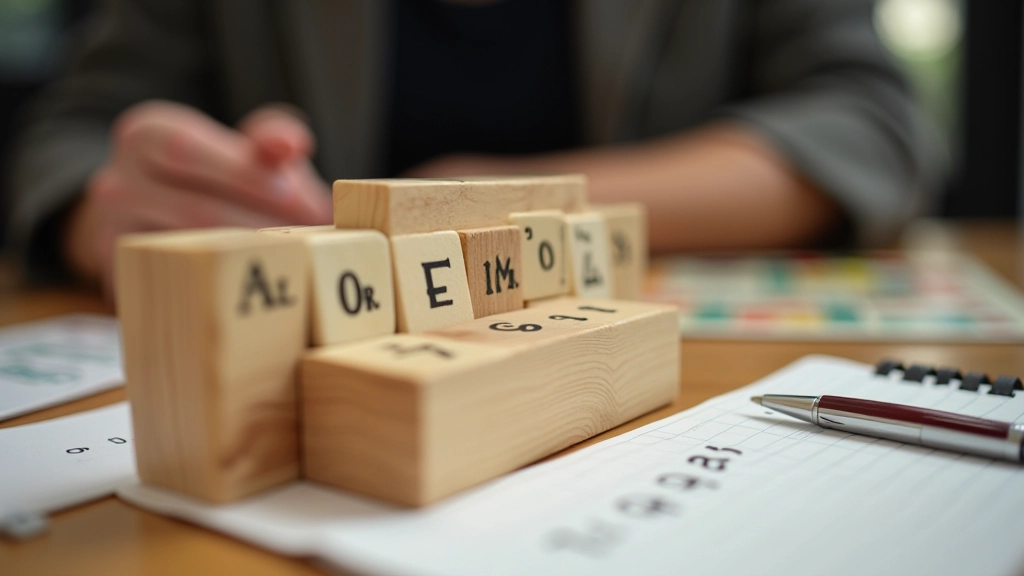
Word games aren't just about finding the highest-scoring word. They're about the competition, the camaraderie, and that moment when you spot a seven-letter play nobody else saw coming. Across Ireland, meetup groups dedicated to Scrabble, Bananagrams, Wordle tournaments, and custom word challenges are thriving. We're talking about adults aged 40-60 who've decided that a Friday night with friends, a challenging game, and genuine stakes makes for a proper evening out.
These aren't casual game nights. They're structured competitions with scoring systems, tournament brackets, and serious bragging rights. Yet they're also welcoming spaces where someone who's never played competitively can walk in, learn the ropes, and find their place. That's what makes these meetups special — they balance intensity with inclusivity.
Word Game Communities by Region
Ireland's word game scene is scattered across major cities and smaller towns, each with distinct styles and player cultures
Dublin Scrabble Alliance
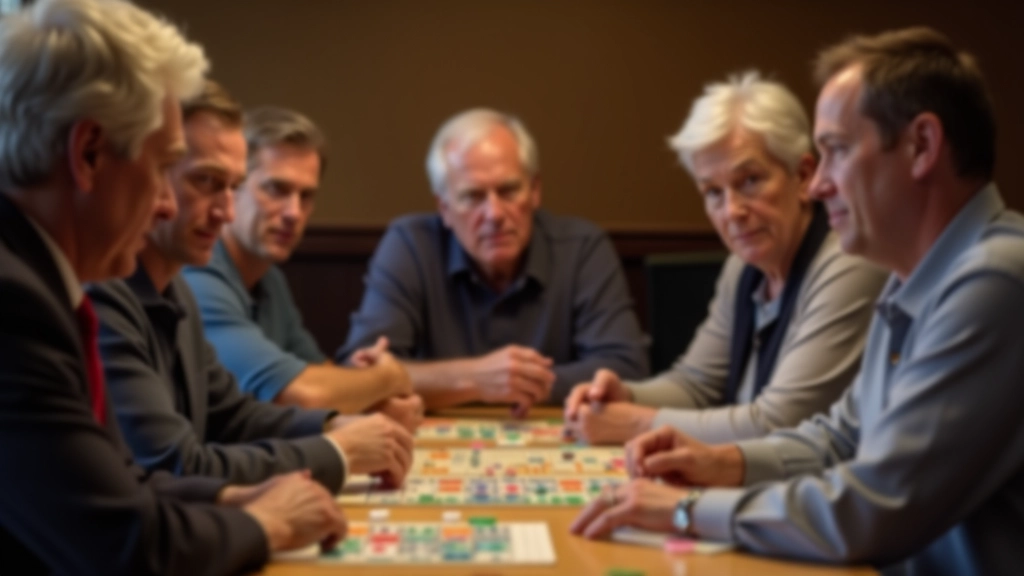
The largest and most competitive scene. Weekly tournaments on Tuesdays and Thursdays at venues across Dublin 4 and Dublin 8. Players here tend to be serious — many've played at national level. Ratings start from 400 and go into the 1800s.
Cork Word Game Collective
Meets monthly for larger tournaments plus casual weekly sessions. Known for being beginner-friendly without dumbing down the challenge. They rotate between three venues and host summer outdoor word games in the park.
Galway Wordsmith Circle
Smaller and more intimate — about 20-30 regulars. They focus on custom word challenges and variant games beyond standard Scrabble. Meets Friday evenings. Real sense of community here, less about rankings.
Belfast & Northern Ireland
Strong Scrabble tradition with regular competitive tournaments. Also home to growing Bananagrams and speed-word communities. Cross-border tournaments happen quarterly, drawing players from both north and south.
The Games People Actually Play
You might think word game meetups are all Scrabble. You'd be wrong. While classic Scrabble dominates, especially in competitive circles, Ireland's word game scene is far more diverse.
Scrabble remains the foundation — tournament-standard rules, two-minute turns, official dictionaries. But around it you'll find Bananagrams tournaments (fast-paced, 15-minute rounds), Wordle challenges (daily puzzles, head-to-head), and custom games groups create themselves. Some meetups run "word poker" nights where players bid on high-scoring letter combinations. Others host "word sprint" events where you've got 90 seconds to build as many valid words as possible from a given set of letters.
The format varies too. Some groups run knockout tournaments with prizes (usually vouchers or trophies, occasionally small cash pools for charity). Others stick to league tables tracked across the year. A few run handicap systems so newer players can compete fairly against veterans.
What the Experience Is Actually Like
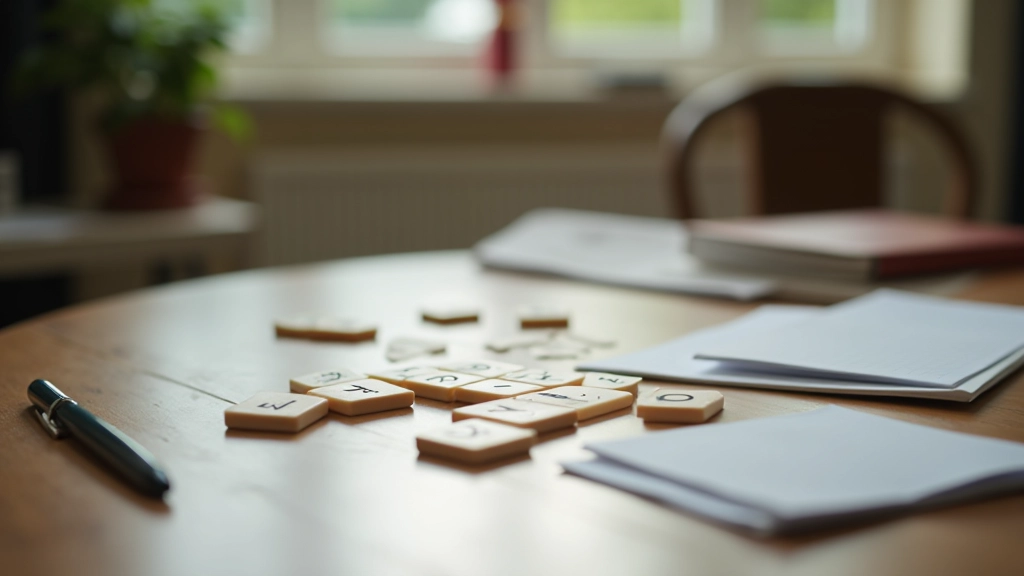
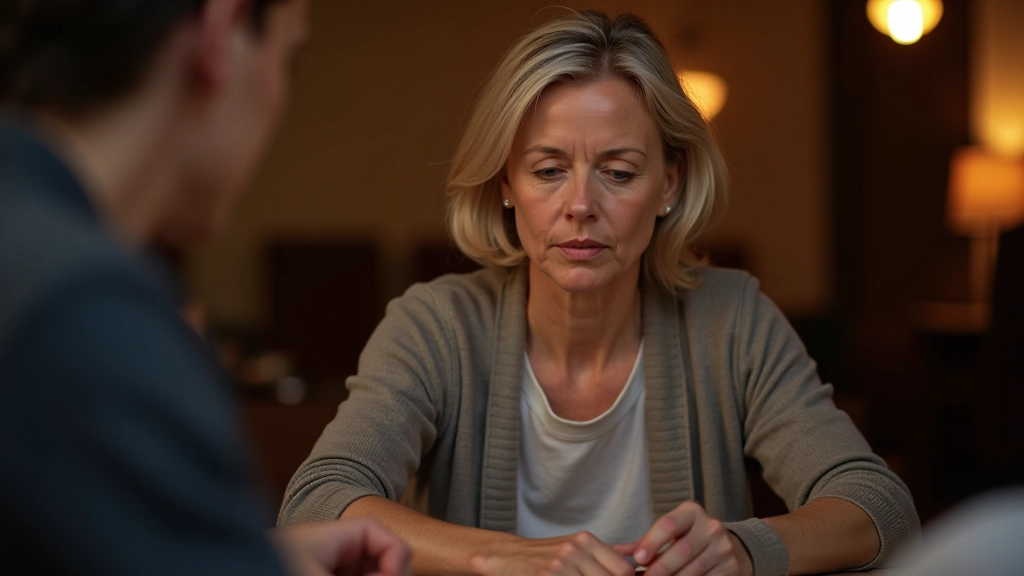
Walk into your first meetup and here's what you'll find. You arrive, sign in, get assigned a table. The venue's usually a pub function room, community center, or dedicated game space — nothing fancy, just clean tables and proper lighting. Most groups provide scorecards and timer clocks. You bring yourself.
First rounds typically pair you with someone closer to your level if they know your rating. If you're new, you'll likely play someone experienced who won't crush you unfairly. Most groups have a beginner category or at least don't throw novices against their 1600+ rated players immediately. That said, you will lose. You'll play words you thought were valid and discover they're not in the official dictionary. You'll see someone play something obscure like "qoph" or "zarf" and wonder how they even knew that existed. And that's the good part — you learn constantly.
The social side is genuine. You'll find people chatting between rounds, analyzing interesting plays, explaining strategy to newcomers. Some groups grab dinner together afterward. Friendships form. Rivalries develop (the friendly kind, mostly). You start recognizing faces, learning names, knowing which player's strong with Q-words and which one dominates the endgame.
How to Find and Join a Group
Getting started is straightforward. Here's what actually works
01
Search Your City + "Word Game Meetup"
Most active groups have a presence on Meetup.com, Facebook groups, or their own websites. Dublin groups are easiest to find. Smaller cities might require a bit more digging — try local community boards or asking at libraries.
02
Attend a Session as Observer
Don't commit to playing immediately. Show up, watch a round, talk to organizers. Most groups welcome observers. You'll get a feel for the pace, the people, and whether it's the right fit for you.
03
Sign Up for a Beginner Slot
When you're ready to play, ask for a beginner match. Most groups have them. You'll play a full game (usually 30-45 minutes), and organizers will explain scoring and rules as you go. Nobody expects you to be brilliant your first time out.
04
Register for Regular Play
After your first session, you'll get a rating (usually starting around 400 if you're brand new). From there, you can register for weekly or monthly sessions. Most groups charge €5-10 per session. Some offer discounts if you commit to monthly membership.
Skills You'll Actually Develop
Playing in a competitive word game environment teaches you things casual play never does. You're not just expanding your vocabulary — though you'll definitely do that. You're learning pattern recognition, tactical thinking, and how to manage pressure.
"I joined thinking I'd learn some new words. What I didn't expect was learning strategy — board control, rack management, when to play defensively instead of chasing points. After a year I'm not just better at Scrabble, I'm better at thinking ahead."
— Michael, Dublin player since 2023
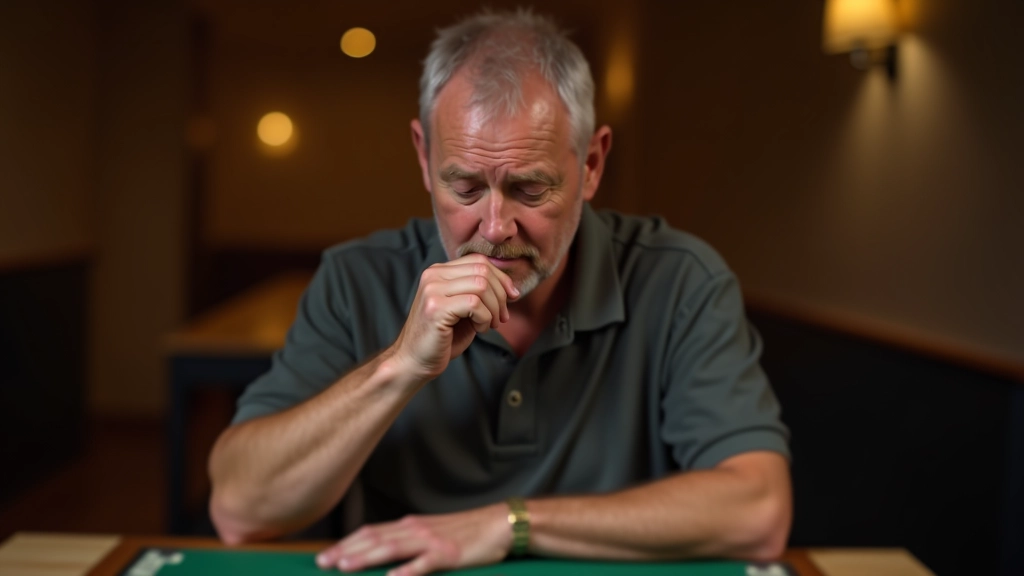
You'll learn the two-letter words that open up the board (QI, XI, XU, ZA). You'll understand rack balancing — keeping consonants and vowels mixed so you're never stuck. You'll discover that less obvious words often score better because opponents can't block them. And you'll learn to stay calm when your opponent plays something unexpected on their final turn that blocks your best move.
Why People Keep Coming Back
The numbers don't capture why these meetups thrive
Genuine Community
These aren't acquaintances. They're people you see regularly, whose playing style you know, whose life updates you hear. When someone wins their first tournament, the group celebrates. When someone struggles, people offer encouragement without patronizing.
Mental Engagement
This isn't passive entertainment. Every game demands focus, strategy, and quick thinking. Your brain's actively working, problem-solving, pattern-matching. That sense of being fully engaged is addictive in the best way.
Measurable Progress
Your rating improves as you play. You see yourself getting better. That first win against someone who's beaten you before? That matters. The progression feels real and earned.
No Screens Required
This is face-to-face competition. Real conversation. Real opponents. You're not swiping or scrolling — you're engaged with actual people in the same room.
The Bottom Line
Word game meetups across Ireland aren't niche hobbyist groups anymore. They're thriving communities of adults who've found something genuinely rewarding — competitive play that's also deeply social, skill development that's measurable, and friendships that extend beyond the game table.
Whether you're someone who's played Scrabble casually your whole life or you've never tried competitive word gaming, there's a group somewhere in Ireland that'll welcome you. You'll probably be nervous walking in the first time. You'll definitely lose your first few games. But you'll also find yourself thinking about word patterns on your commute, practicing two-letter words at home, and already looking forward to next week's session.
That's not an accident. That's what good community feels like.
Related Articles
Information Disclaimer
This article provides informational content about word game meetups and communities across Ireland. Group details, schedules, and venues are accurate as of March 2026 but may change. Contact local meetup organizers directly for current information about meeting times, fees, and formats. Individual experiences with different groups may vary based on location, player skill levels, and group focus. This content is educational in nature and not intended as official guidance from any gaming organization or tournament body.