
Planning Your First Monopoly Marathon Night
Everything you need to host an unforgettable game night with friends and neighbours
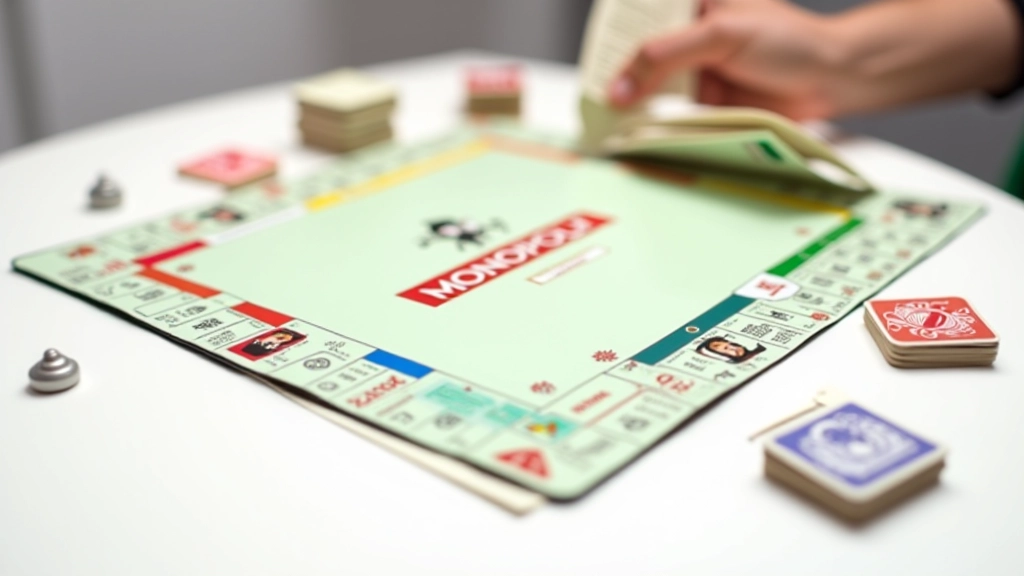
What Makes a Marathon Night Different?
A Monopoly marathon isn't just a quick game after dinner. It's an event. You're committing to 4-6 hours (sometimes longer) of buying properties, negotiating trades, and watching friends slowly go bankrupt. The appeal? It's pure social gaming at its best. Unlike quick card games, Monopoly gives you time to chat, laugh, and actually experience the arc of the game from early property grabs to the final bankruptcy.
We've hosted dozens of these nights across Ireland with groups aged 40-60, and there's something special about it. You're not rushing. You're not checking your phone every five minutes. You're just... playing a game together. That's what we'll walk you through.

Planning the Basics: Timing and Space
Get these right and everything else falls into place
When to Schedule
Start in the afternoon, around 2-3pm. That gives you 4-5 hours before evening winds down. Don't schedule it on a worknight unless people are genuinely keen — there's nothing worse than someone watching the clock at 9pm because they've got an early morning. Weekends are ideal. Friday evenings work too, though you'll need people willing to stay up a bit later.
The Right Space
You need a proper table. Not the kitchen counter, not a small side table. We're talking at least 150cm x 100cm of solid, level surface. The board needs room to breathe, and players need space for their property cards, cash, and a cup of tea. A dining table works perfectly. Make sure there's enough light — dim rooms make it harder to read cards and see what's happening around the board.
Guest Count
2-4 players is ideal. With 5-6 players, the game gets slower and some people spend long stretches waiting for their turn. Stick to 3-4 people if you can. It keeps the pace moving and the conversation flowing. Everyone gets more turns, and the game actually finishes at a reasonable hour.
Essential Supplies & Setup
Before anyone sits down, make sure you've got everything. Running out of paper money halfway through is frustrating. Forgotten tokens are awkward. A missing die is basically a disaster.
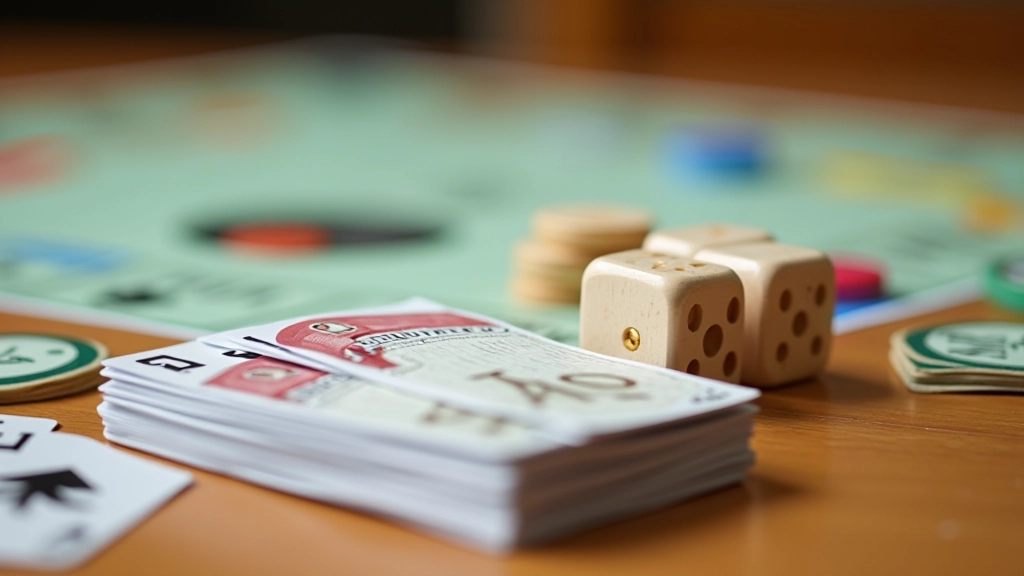
Check your Monopoly box before the day arrives. Count the money — you'll need all of it for a proper game with 3-4 players. Make sure you've got four tokens (or more if someone wants to be a custom token). Test the dice. Seriously. A loaded die ruins everything.
Have the bank set up before people arrive. Count out the notes by denomination and place them in the box lid or a small container. Assign someone as banker — ideally someone who's good with numbers and won't accidentally pocket their own money. We've learned that lesson the hard way.
Game Rules: Simplified for Speed
Keep it fun, not bogged down in rulebook debates
01 - Roll and Move
Players roll two dice and move clockwise. Simple. When you land on an unowned property, you can buy it at the listed price or it goes to auction. Most people forget about the auction rule — it actually speeds things up if someone doesn't want a property.
02 - Property and Monopolies
The whole point is getting monopolies. Once you own all properties of one colour, you can build houses and hotels. Houses cost more as the game goes on — the price is printed on the property card. Hotels are the endgame. Building a monopoly with hotels creates a cash trap that will bankrupt opponents fast.
03 - Rent and Payments
Land on someone's property, you pay rent. The amount depends on what they own — unimproved property costs less, but a monopoly with hotels costs a fortune. This is where the negotiation happens. "I know I owe you £2,000 but can we make a deal?" keeps the game social and interesting.
04 - Go to Jail
Getting sent to jail sounds bad but it's actually useful late in the game. You can stay in jail for free for three turns, avoiding rent. Early on, you want out quickly to keep buying properties. Don't waste "Get Out of Jail Free" cards early.
Creating the Right Atmosphere
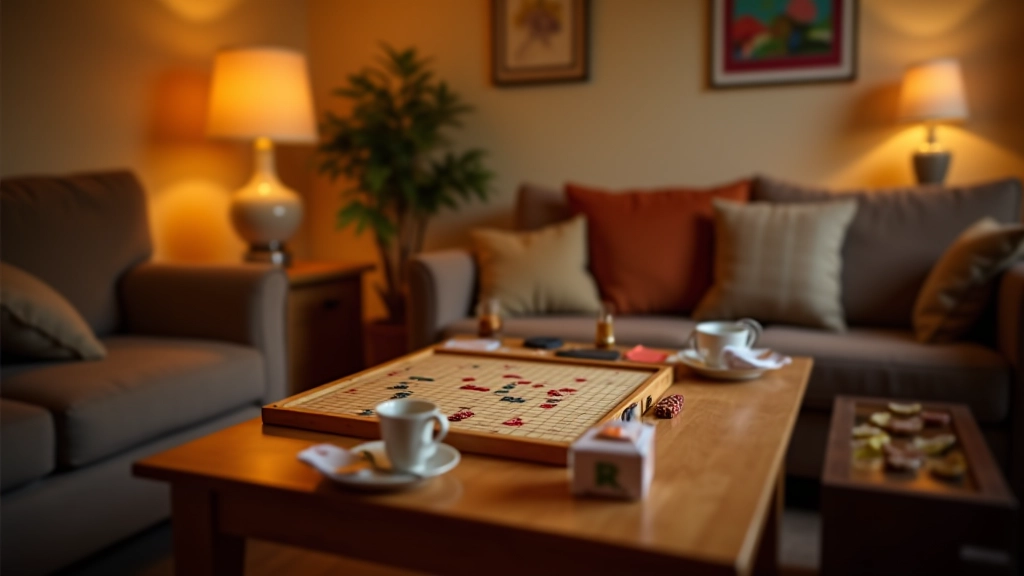
Food and drink aren't optional — they're essential. Not a fancy dinner, just good snacks. Crisps, cheese and biscuits, some fruit. Tea and coffee, obviously. If your group enjoys it, a beer or glass of wine makes it feel more like a social gathering and less like sitting in silence staring at a board.
Music? Optional. Some groups like soft background music, others find it distracting. We've found that light instrumental stuff or familiar Irish folk works better than anything with lyrics that pull attention away from the game.
Temperature matters more than people think. If it's too cold, people get uncomfortable. Too warm and people get drowsy around hour three. Aim for comfortable room temperature and you'll see better gameplay and conversation.
Don't have the TV on in the background. It's a constant distraction and it undercuts the whole point — you're here to focus on the game and each other. That's what makes it different from scrolling through your phone at home.
Strategy Tips for Actual Fun
How to win without being the person nobody invites back
Early Game: Buy Smart
In the first few rounds, buy properties you land on. You're building your portfolio. The orange and red properties are underrated — they're cheap to buy but expensive to land on once someone builds. The expensive dark blue and boardwalk are tempting but drain your cash when you could be building elsewhere.
Mid Game: Build Monopolies
Once you've got a complete colour set, build houses immediately. Even a couple of houses dramatically increases rent. A monopoly with three houses on each property will destroy opponents financially. Don't hoard cash — use it to build.
Late Game: Negotiate
By hour four, negotiation wins games. Trading properties, making deals, offering immunity for a round — this is where personality matters. The best Monopoly players aren't the ones who hoard properties. They're the ones who make deals that look good for both sides but actually favour them slightly. It's diplomacy.
The Fatal Mistake: Cash Shortage
Many people go bankrupt not because they landed on something expensive, but because they spent everything building and had no reserve. Keep enough cash on hand to handle a bad roll. A rule of thumb: never spend more than 60% of your cash at any time. That reserve keeps you in the game.
Common Mistakes to Avoid
We've watched hundreds of people play Monopoly. Same mistakes come up repeatedly. Here's what actually matters:
- Ignoring the banker's role. A bad banker creates confusion and slows everything down. Pick someone organized before you start.
- Forgetting free parking rules. Some groups play "free parking pays jackpot" — it's not in the official rules but people love it. Decide this before you start, not three hours in.
- House shortage. If all 32 houses are being used, you can't build more. This actually matters with 4 players. Some people switch to playing with house value limits instead of quantity.
- Not managing pace. If someone's turn takes 10 minutes, the game drags. Set a gentle expectation that people make decisions reasonably quickly.
- Lending money instead of trading. If someone needs cash, they should mortgage a property or make a trade — not borrow from other players. It blurs the rules and creates awkward moments later.
Your Marathon Night Timeline
What to expect hour by hour
Arrival & Setup
People arrive, get tea or coffee, settle in. Bank is set up, money counted, tokens distributed. First few minutes people are chatting and getting comfortable.
Early Game (Fast Pace)
First hour moves quickly. People are rolling dice, buying properties, learning the flow. Conversation is light and focused on the game. No one's bankrupt yet so everyone's still competitive.
Mid Game (Strategy)
Monopolies are forming. Building starts. Rent payments get serious. This is when strategy matters. People are thinking several moves ahead. Conversation gets more competitive and friendly banter increases.
Late Game (Negotiation)
Players are looking for ways to stay alive. Trading properties, making deals. The board's almost fully developed. People are spending longer on their turns, thinking about survival. Snacks are mostly gone. Energy peaks here.
Endgame (Tension)
One or two players are bankrupt. The survivors are in a death struggle. Luck matters now — a bad roll can end it all. This phase is intense but shorter. Most games end around the 4.5 to 5-hour mark.
Make It Happen
Hosting a Monopoly marathon night isn't complicated. You need a table, the game, willing people, and an afternoon. What makes it work is removing distractions and committing to the time. No rushing out at 9pm. No phones on the table. Just four people, a board, and hours of genuine entertainment.
We've seen people who swear they don't like board games end up loving these nights. Something shifts when you're not trying to finish quickly. The game becomes a frame for conversation, friendly competition, and actually being present with people. That's the real magic of a marathon night.
Start small. Pick an afternoon this month. Invite three people who can actually commit. Set up properly, have snacks ready, and let the game breathe. You'll know within the first hour whether you've created something your group wants to do again. Most likely, they'll be asking when the next one is before the last player goes bankrupt.
Want to explore other game nights? Check out our guides for cribbage club basics, draughts strategy, and word game challenges across Ireland.
About This Guide
This article is intended as educational and informational material for people interested in hosting social board game gatherings. Game rules and strategies are based on standard Monopoly gameplay. Actual game experiences will vary based on player skill, house rules, and group preferences. This guide is not affiliated with or endorsed by Hasbro, the official Monopoly manufacturer. We recommend consulting the official rulebook for definitive game rules.