Mastering Draughts Strategy & Tactics
Discover winning strategies for competitive draughts play, including opening moves, mid-game positioning, and endgame techniques used by experienced players.
Why Strategy Matters in Draughts
Draughts isn't just about moving pieces around the board — it's a game of calculated decisions and forward thinking. You'll notice the difference between casual players and serious competitors comes down to understanding the principles that govern winning play. Most people play reactively, responding to what their opponent does. The real edge comes from planning several moves ahead and recognizing patterns you've seen before.
Whether you're looking to improve your club performance or just want to understand what makes experienced players so effective, the techniques in this guide will transform how you approach the game. We're not talking about memorizing endless variations — we're talking about the fundamental principles that separate casual games from tournament-level play.
Mastering the Opening
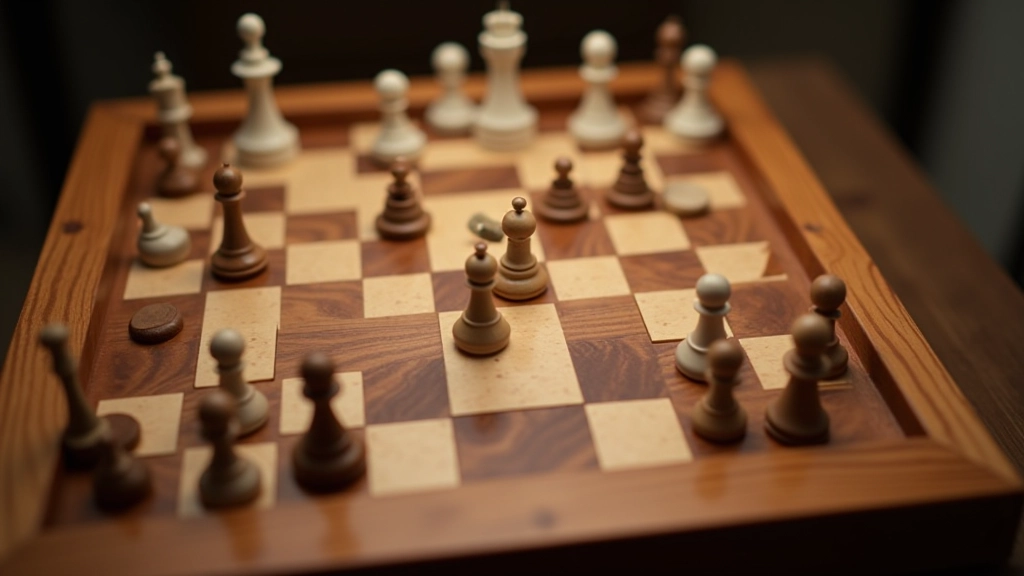
The opening phase sets the tone for everything that follows. You'll want to control the centre of the board early — it's not flashy, but it's effective. The classic approach is moving pieces toward the middle four squares, which gives you flexibility for multiple strategies later on.
Here's what makes good opening play: you're establishing control without overcommitting pieces. Many beginners push too aggressively in the first five moves and end up with isolated pieces that your opponent can attack. Instead, you'll develop your position methodically. Think of it like building a foundation — solid and sustainable beats flashy every time.
The most successful players spend roughly 3-5 moves developing before launching any tactical attacks. That patience pays off because you've got more options, better piece coordination, and your opponent hasn't yet figured out your game plan.
Mid-Game Positioning & Control
Once you've established your opening position, the mid-game is where things get interesting. This is when you're actively looking for tactical opportunities — forcing your opponent into difficult positions, creating threats they can't ignore. The key principle: always think about piece mobility. A piece that can move to five different squares is worth more than a piece trapped in two directions.
You'll also want to maintain what's called "formation integrity" — keeping your pieces working together rather than scattered. Isolated pieces get captured. Coordinated pieces control territory and limit your opponent's options. When you're evaluating whether to move a piece, ask yourself: does this move improve my formation, or does it weaken it?
The strongest mid-game players consistently create situations where their opponent's pieces are blocked or forced into unfavourable exchanges. It's not about being aggressive — it's about being systematic.
Watch for opportunities to force what's called a "breakthrough" — a position where your pieces advance toward the back row faster than your opponent can defend. This doesn't mean reckless attacks. It means positioning your pieces so that your opponent faces genuine threats on multiple fronts.
Endgame Technique & Precision
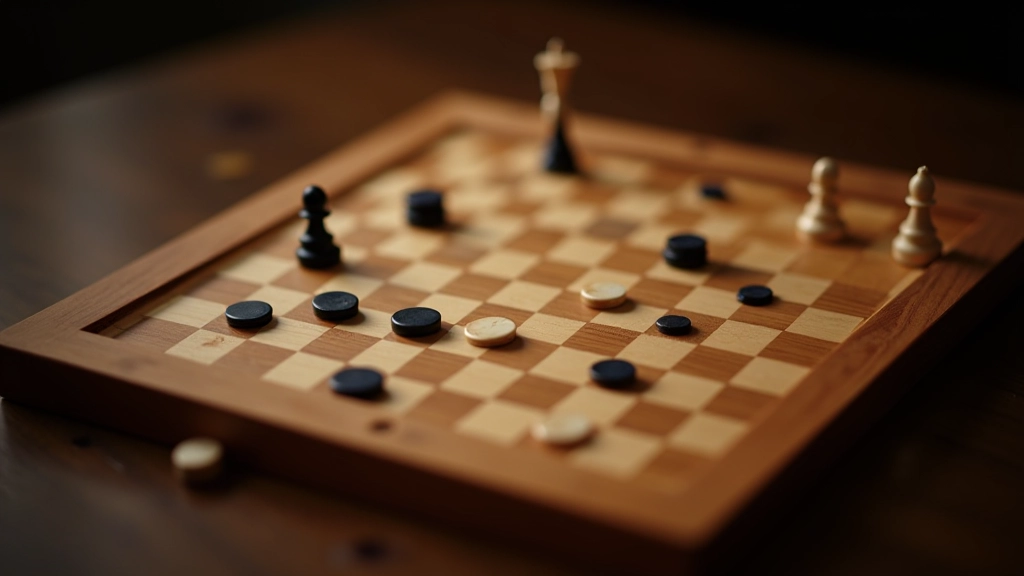
The endgame is where amateur players and experienced ones truly diverge. With fewer pieces on the board, every move becomes critical. You're not just trying to win — you're trying to win efficiently while avoiding draws. And in draughts, draws are surprisingly common if both players know what they're doing.
First principle of endgame play: king activity matters enormously. A single king can control vast sections of the board. Unlike regular pieces, kings move in all directions, which gives them tremendous power late in the game. When you're promoting a piece to king, you've fundamentally changed the dynamics. Experienced players know that one king versus two regular pieces often favours the king.
You'll also need to understand opposition — the concept of controlling key squares so your opponent's pieces can't advance. In the final moves, you're playing something closer to chess endgames, where square control and piece placement matter more than tactical captures. Don't rush. Calculate the consequences three to four moves ahead.
Common Tactical Patterns You'll See Repeatedly
Certain tactical situations appear over and over in competitive draughts. Recognizing them instantly gives you a massive advantage. You won't need to think — you'll just know the best response.
The Fork
Position one piece so it threatens two opponent pieces simultaneously. Your opponent can only save one. This is the most fundamental tactic — you're essentially winning material through superior positioning. Look for these opportunities constantly.
The Trap
Force your opponent's pieces into positions where they'll be captured no matter what they do. This requires thinking 2-3 moves ahead, but once you see the pattern, it becomes almost automatic. It's about limiting escape routes.
The Breakthrough
Create a situation where you can advance pieces toward the back row despite your opponent's defensive efforts. This is less about immediate captures and more about structural advantage — getting a king onto the board when you need it.
The Sacrifice
Sometimes you'll intentionally lose a piece to gain a larger advantage. This sounds counterintuitive, but it works when the position you gain afterward is worth more than the material you've lost. It's the most advanced tactical concept.
The Block
Position your pieces to prevent your opponent from moving forward or accessing key areas. This defensive tactic is crucial when you're trying to hold a difficult position. Sometimes stopping your opponent is as valuable as attacking.
The Exchange
Trade pieces in a way that improves your position relative to your opponent's. Not all trades are equal — you might trade two pieces for two pieces, but end up in a better position because your remaining pieces are more active.
How to Practice & Improve Your Game
Understanding strategy is one thing. Actually improving your play requires consistent, focused practice. Here's what works: play regularly against strong opponents. You'll lose games, but that's where the real learning happens. Each loss teaches you something if you take time to analyze what went wrong.
Study classic games from experienced players. You'll notice patterns in how they approach different situations. They're not playing randomly — they're executing plans. When you watch someone like Wladimir Krakowski or other champions, you see someone who's thinking several moves ahead, anticipating their opponent's responses before they even move.
Don't just play casually. Set specific goals: this week, I'm focusing on better opening play. Next week, I'm working on recognizing forks. The month after, I'm studying endgame positions. Targeted improvement beats random play every time.
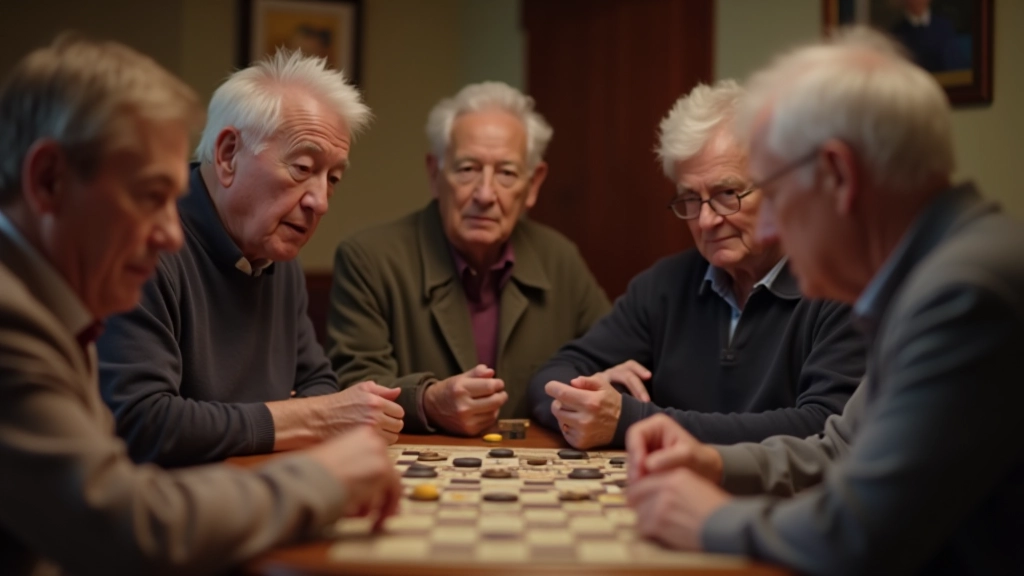
Join a local club if you haven't already. Playing the same opponents repeatedly forces you to adapt. You can't rely on the same strategies because they'll anticipate you. This pushes you to deepen your understanding and develop new approaches.
The Path Forward
Mastering draughts strategy isn't about memorizing thousands of positions or studying obscure variations. It's about understanding the principles that govern winning play and recognizing how they apply to different situations. You've now got the framework: solid openings, active mid-game positioning, precise endgame technique, and recognition of tactical patterns.
What separates good players from great ones is consistency. They apply these principles every single game. They don't get overconfident when they're winning, and they don't panic when they're losing. They play with patience and precision.
The next step is getting on the board and testing these ideas. You'll make mistakes — everyone does. But now you've got a mental framework that'll help you understand why those mistakes happened and how to avoid them next time. That's how improvement actually works.
Ready to take your game to the next level? Join our draughts community in Ireland and challenge yourself against experienced players.
Explore Our CommunityEducational Information
This article provides educational information about draughts strategy and tactics. The techniques and approaches described are based on established principles of the game and common practice among experienced players. Results will vary depending on individual skill level, practice frequency, and the strength of your opponents. Strategy improvement requires consistent practice and play against competitive opponents. This content is for learning purposes and isn't a guarantee of winning outcomes.