
Cribbage Club Basics for Beginners
Learn the fundamental rules, hand scoring strategies, and how to join your first club session with confidence
What Makes Cribbage Special
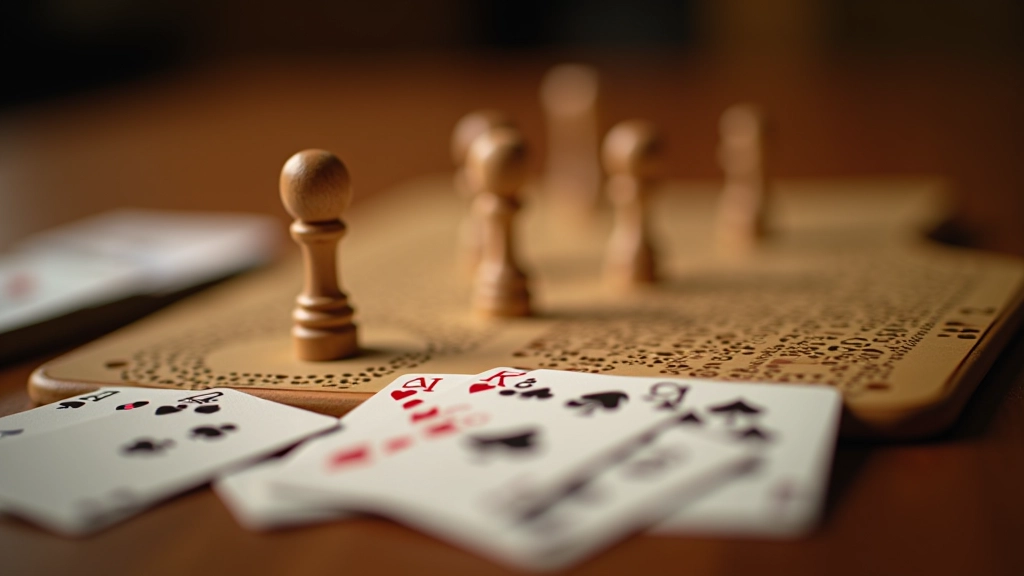
Cribbage isn't just another card game — it's a game that rewards both quick thinking and strategic planning. The game's been around since the 1600s, and for good reason. There's something deeply satisfying about the rhythm of play: drawing cards, calculating points, moving pegs along that distinctive board.
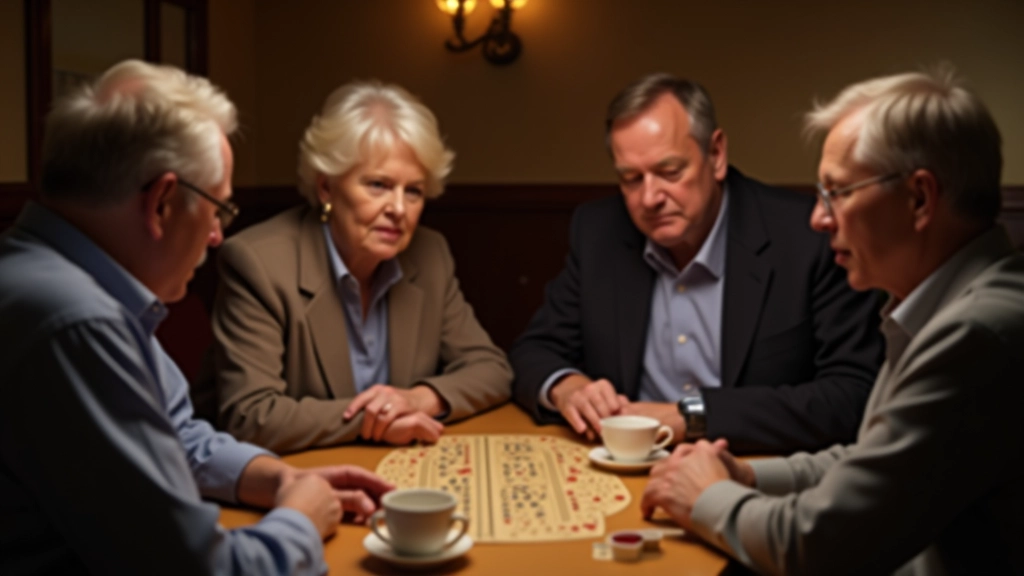
If you're thinking about joining a cribbage club, you're in for a treat. Most groups are welcoming to beginners. You'll sit across from someone, shuffle a deck, and within a few hands you'll start understanding why people come back week after week. The learning curve isn't steep — basics take maybe 30 minutes to grasp.
The Game
Understanding the Basics
Every hand follows the same pattern — deal, discard, play, then score
How Play Works
You'll start with six cards dealt face down. Then comes the discard — you pick two cards to put aside for the "crib," which is a separate hand that gets scored by the dealer. This is actually where strategy begins. You're not just thinking about your own points; you're trying to minimize what the dealer scores from those discarded cards.
Once discards are done, the play phase starts. Players alternate laying cards, keeping a running total. You can't go over 31 — if you can't play without going over, you say "Go" and your opponent gets a point. It sounds simple, but there's real tactical thinking happening. Do you play that high card now or save it?
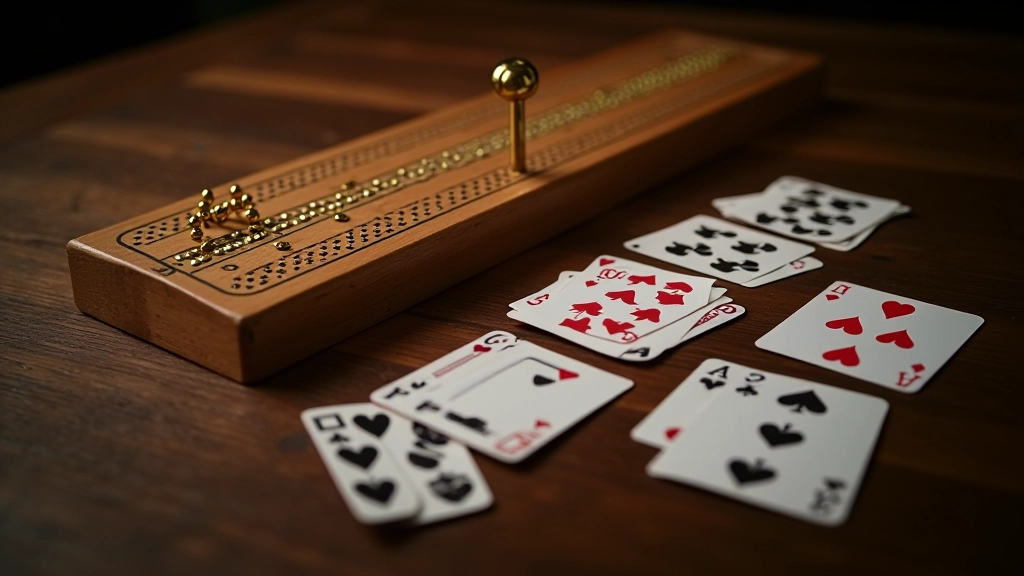
After all cards are played, that's when the scoring happens. You count points in your hand, then the dealer scores the crib. Points come from pairs, sequences, combinations that add to 15, and flushes. A typical hand might be worth 8-12 points, though strong hands can reach 20 or more.
Scoring Points: The Foundation
Most of your points come from just four types of combinations
Fifteens
Any combination of cards that adds to 15 scores 2 points. A hand with 10, 5, 3, 2 gives you three fifteens: 10+5, 10+3+2, and 5+10. You count each one.
Pairs
Two cards of the same rank score 2 points. Three of a kind gives you three pairs (6 points). Four of a kind gives you six pairs (12 points). It adds up fast.
Sequences
Three or more cards in order (like 7-8-9) score 1 point per card. A sequence of four cards scores 4 points. If you have two different sequences, you count both.
Flush
All four cards the same suit score 4 points (5 if the cut card matches too). This is rarer than the others, but when it happens you'll feel it.
"The first few times I counted my hand, I kept missing points. But after maybe three sessions, it became automatic. Now I count faster than people who've been playing for years because I understand the patterns."
— Michael, player for 4 months
Smart Discard Choices
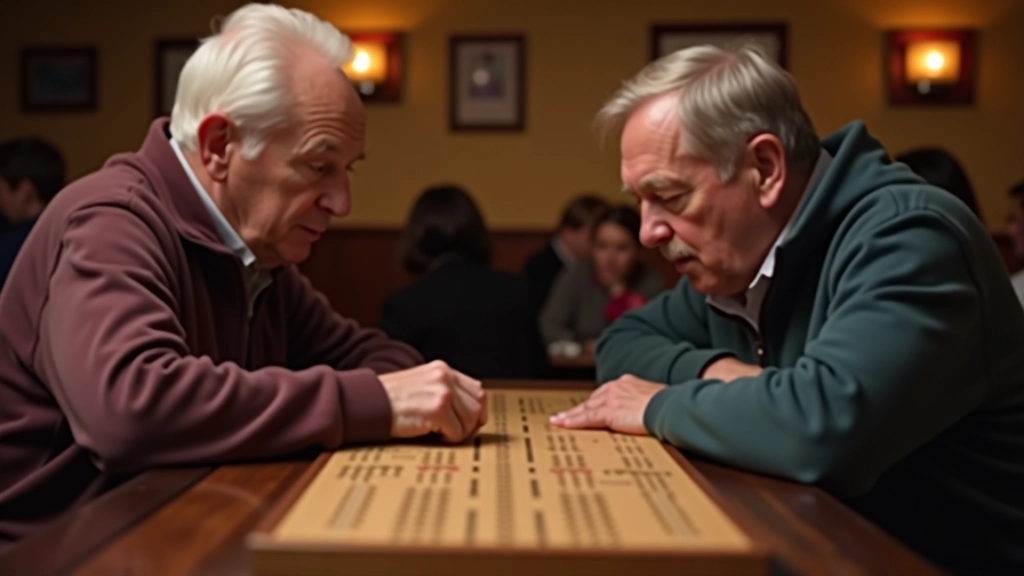
The discard is where beginners can improve fastest. You're giving away two cards that'll become part of the dealer's crib. Think about what combinations you're creating. If you have 10, 10, 5, 3, don't discard the two 10s together — that's 20 points handed over. Instead, maybe discard 10 and 3, keeping better cards for your own hand.
Low cards are usually safer to discard because they're harder to combine into fifteens. But don't discard recklessly. Watch what your opponent tends to keep — you'll start recognizing patterns. Some players keep sequences, others go for pairs. The more you play, the more instinctive this becomes.
One practical tip: never discard a 5 with a 10 or face card unless you absolutely have to. That's a guaranteed 15. And avoid giving away two cards that form a sequence with anything the cut card might be. It takes experience to master, but you'll feel the difference in your score after just a few weeks.
Getting Started
Joining a Cribbage Club
Most Irish cribbage clubs meet weekly and welcome newcomers enthusiastically
01
Find a Local Group
Search online for cribbage clubs in your area or ask at local community centers. Most towns have at least one group meeting regularly. Clubs typically post their schedule on community notice boards or have Facebook pages.
02
Arrive Early, Watch First
Show up 15 minutes before the session starts. You'll see how experienced players interact, how quickly they play, and what the atmosphere feels like. This gives you a chance to settle in before playing your first hand.
03
Ask Questions Openly
Don't worry about looking inexperienced. Club members expect beginners and actually enjoy helping. If you're unsure about a scoring rule mid-hand, just ask. Everyone remembers being new.
04
Come Back Regularly
Your second session will feel more comfortable than your first. By the fourth or fifth visit, you'll start recognizing people and understanding the rhythm. Most players find their groove within 2-3 weeks of regular attendance.
What to Expect on Your First Night
- Games typically last 30-45 minutes per match
- You'll probably play multiple hands with different opponents
- Most clubs have tea, coffee, and biscuits available
- The pace is relaxed — no one's rushing you
- Scores aren't recorded for beginners until you feel ready
Building Your Skills Between Sessions
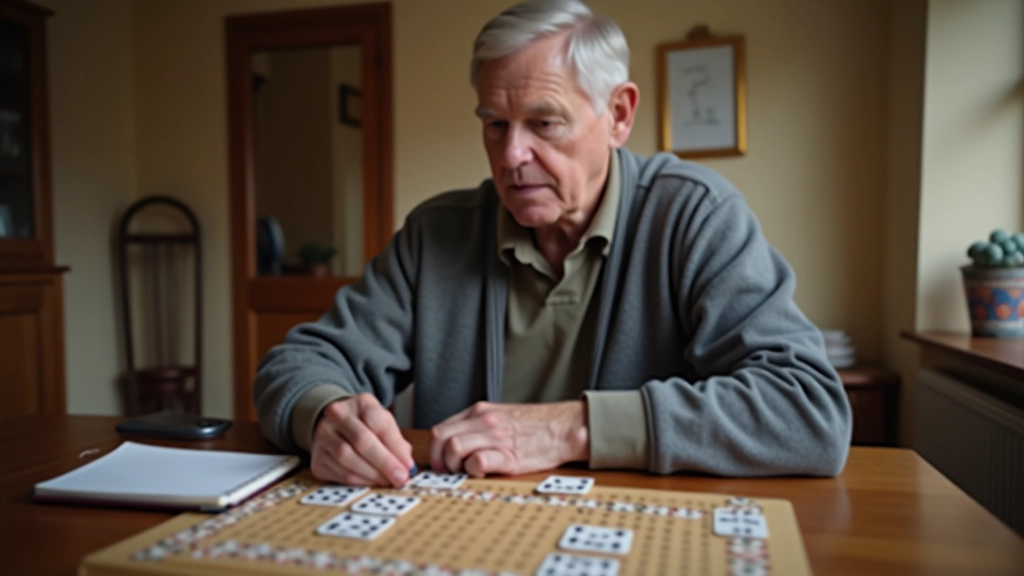
You don't need anything fancy to improve. A standard deck and some scratch paper is all it takes. Shuffle and deal six cards to yourself, then practice counting different hands. Pick a cut card and see how many points you score. Try to hit 15-20 points consistently before moving on to harder hands.
The real learning happens during actual play, but practicing alone helps your brain recognize scoring patterns faster. After just 20 minutes of practice, you'll notice the difference in your next game. Your counting speed will improve, which means less fumbling during play and more time to think about strategy.
Some players keep a small notebook to jot down interesting hands or scoring combinations they see. It's not essential, but it helps. Within a month of weekly play plus 15-20 minutes of home practice, you'll feel genuinely confident at the club.
Your Next Step
Cribbage isn't intimidating once you understand the flow. The rules are logical, the scoring follows clear patterns, and most importantly, the people playing are genuinely welcoming. You'll find that clubs range from ultra-casual groups who just want good conversation and cards, to more competitive leagues where scores are tracked and rankings matter. Either way, you'll find your fit.
Start with the basics: learn how to count fifteens, pairs, and sequences. Practice discarding with purpose. Then show up to a local club and play your first hand. You might surprise yourself with how natural it feels. Most people who try cribbage end up coming back, not because they're obsessed with winning, but because there's something satisfying about sitting across from someone, playing cards, and testing your mind against theirs.
Ready to Learn More?
Check out our related articles about other games your club might offer, or explore what to expect at your first competitive session.
Continue Exploring
About This Guide
This article is designed to introduce beginners to cribbage fundamentals and club culture in Ireland. Rules and variations may differ slightly between clubs and regions. We recommend confirming specific rules with your local club before your first visit. Cribbage rules have evolved over centuries, and different communities may have their own preferences for scoring disputes or play variations. Always ask — experienced players welcome questions and enjoy helping newcomers learn.